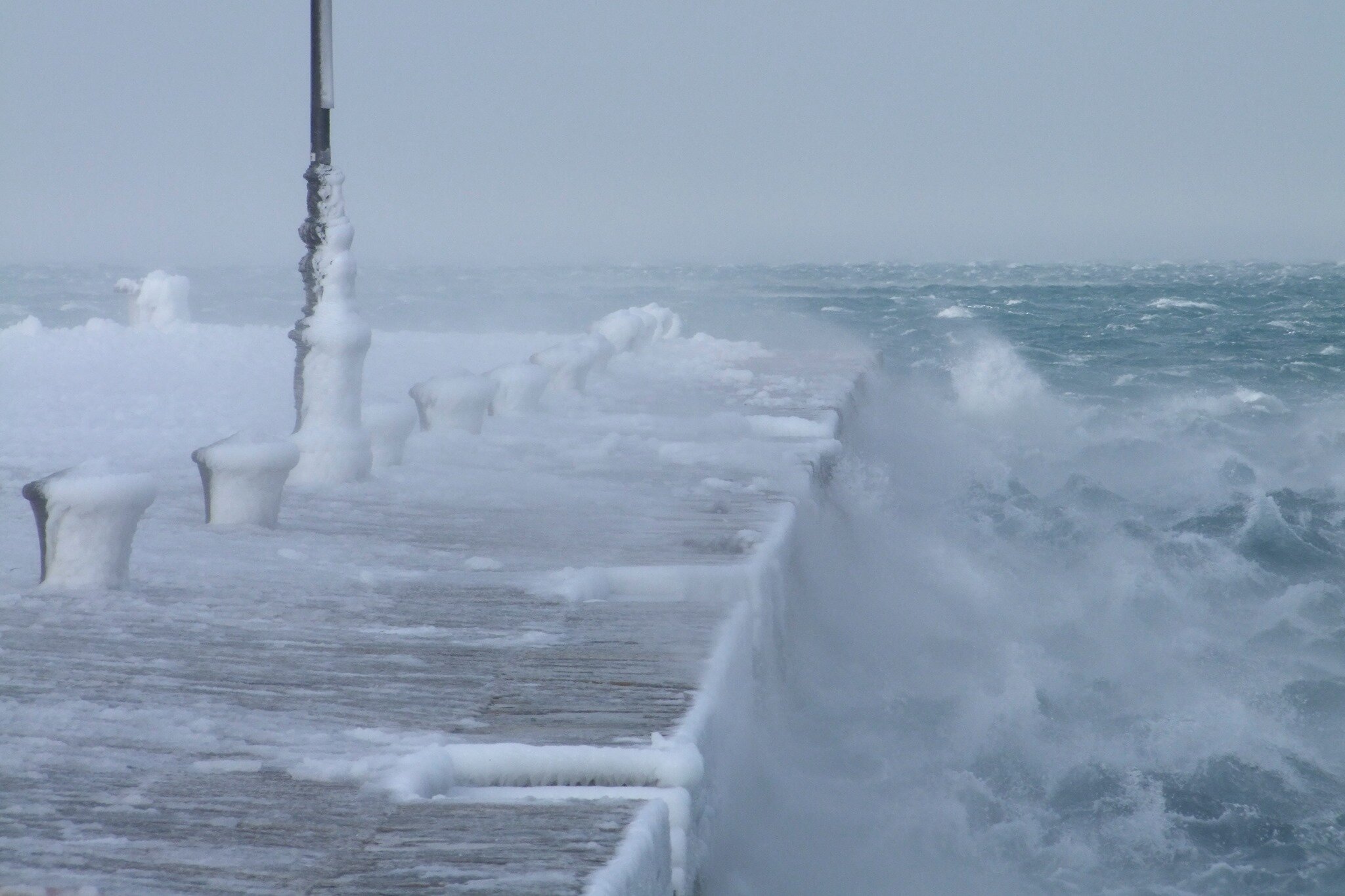
IT La racconta di Eolo, padre dei venti che girava per il mondo con i suoi adorati figli: tra questi la sua preferita era la giovane e capricciosa Bora. Molti, molti anni fa , scorrazzando per il mondo con i suoi figli, capitò in un verde altipiano che scendeva ripido verso il mare. , la più bella e amata figlia del Vento, incantata dalla , si allontanò dalla turbolente brigata dei fratelli per correre nel cielo a scombussolare le nuvole a pecorelle e a giocare fra i rami degli alberi, che si agitavano allegri al suo passaggio. Stanca di correre di qua e di là Bora entrò in una grotta dove, sulla via di ritorno dall'impresa del Vello d'Oro, stava riposando l'umano . Tergesteo era così forte e così bello e così diverso da tutte le creature, che Bora aveva visto e conosciuto fino a quel momento, che di colpo se ne innamorò. Amore che Tergesteo ricambiò con uguale passione: e i due vissero felici in quella grotta tre, cinque, sette splendidi giorni felici. Quando Vento si accorse della fuga di Bora, si mise tempestosamente a cercarla, fino a quando un cirro-nembo brontolone, infastidito da quel gran putiferio che lo stava sbatacchiando su e giù per il cielo, gli svelò il rifugio dei due amanti. Vento giunse alla grotta e, come vide Bora abbracciata a Tergesteo, la sua rabbia crebbe e diventò un ciclone che si avventò contro l'umano, sollevandolo e scagliandolo contro le pareti della grotta, più e più volte, finché l'eroe restò immobile al suolo, senza più vita. Poi, calmato ma non rabbonito, senza colpo ferire, lasciò Bora al suo destino. , straziata dal dolore, incominciò ad urlare e a piangere tanto forte che . Nel tentativo di consolarla da tanta disperazione, Madre Natura dal sangue di Tergesteo fece nascere il , che da allora inonda di rosso l'autunno del Carso. Ma Bora piangeva ancora e ancora e le pietre erano ormai talmente tante, da ricoprire tutto l'altipiano. Allora Madre Natura, angosciata da tutti quei sassi che andavano a rovinare i suoi verdi prati in fiore, concesse a Bora di rimanere per sempre vicina al corpo di Tergesto. Ma Bora non smetteva i suoi lamenti, tanto che persino gli dei si preoccuparono e, per sanare la situazione, Eolo concesse a Bora di rivivere ogni anno quei d'amore fra le braccia di Tergesteo e Nettuno ordinò alle Onde di ricoprire con conchiglie, stelle marine e verdi alghe il corpo dell'eroe affinché diventasse un alto colle, il più bello di quest'angolo di mondo. Finalmente Bora si placò ma lasciò per sempre l'eco dei suoi lamenti nel fruscio delle fronde. Dopo molti, molti secoli gli uomini giunti su queste terre si insediarono sul colle di Tergesteo e vi costruirono un Castelliere con le lacrime di Bora diventate pietre. Il con il tempo diventò borgo - villaggio - città. Una città, che in ricordo di questo leggendario amore venne chiamata Tergeste, dove ancora oggi , soffiandovi impetuosa: "chiara" fra le braccia del suo amore "scura" nell'attesa di incontrarlo. Legend tells of Aeolus, the father of the winds, who travelled the world with his beloved children. His favourite among these was the young and capricious . One fine day, they reached a lush plateau that descended steeply towards the sea, and Bora wandered away to go and play with the clouds. After a while she entered a cavern out of curiosity and met , an Argonaut who had just returned from the " " odyssey. It was love at first sight - the two young ones enjoyed seven blissful days of overwhelming, tempestuous passion in the cavern. When realized that his favourite daughter had disappeared he became worried and decided to look for her. After days of desperate searching he finally found her. Seeing her embracing , he became so furious that he attacked the young man, violently throwing him against the walls of the cave until he lay on the ground lifeless. Bora's father ordered her to leave with him but, devastated by grief, she would hear nothing of it and burst into a weeping so desperate that each tear that fell turned into stone. She cried so many tears that the lush was completely covered with a blanket of stones, while Tergesteo's drops of blood gave life to the sumac, a wonderful plant that since then has flooded the Karst rocks with red each autumn. In the end, Aeolus gave up and decided to depart, leaving in the place that witnessed the beginning and end of her great love. Then the sea, taking pity, covered the body of the unfortunate Tergesteo with shells, starfish and green seaweed. Over time, a pleasant hill formed on top of this mound, upon which would be founded a city that was named in honour of Tergesteo, and is now Trieste. Bora still reigns here today because Heaven has allowed her to relive three, five or seven days of splendid love each year. These are the days when the Bora blows impetuously: "bright" when she is in the arms of her beloved or "dark", accompanied by tears of rain, when she is waiting to see Tergesteo once again.
leggenda
Vento
Bora
bellezza del paesaggio
eroe Tergesteo
Bora
ogni sua lacrima si trasformava in pietra
Sommaco
tre, cinque, sette giorni
Castelliere
Bora regna sovrana
La leggenda è opera di Edda Vidiz, che ringraziamo per la condivisione
EN
Bora
Tergesteo
Golden Fleece
Aeolus
Tergesteo
ground of the plateau
young Bora
Tergeste
Freely based on the legend of the bora written by Edda Vidiz

Freetime Trieste


Freetime holiday homes
© 2023 freetimeholidayhomes
Freetime Arabba
Curiosità - Fun facts
Le leggenda della Bora / The legend of the Bora
Le leggenda della Bora / The legend of the Bora
2023-02-07 11:25
2023-02-07 11:25
Array() no author 84189
Curiosità, bora, vento, wind, trieste, leggenda, leggende, legend, legends,